
Features
-

The Waterwheels of Heet: A Rotating Symbol of Heritage
Along the western banks of the Euphrates River, in the city of Heet, large wooden wheels still turn gently with the river’s current. Known as nawaeer, these ancient waterwheels were once a lifeline for agriculture in the region. Though their practical use has faded over time, they remain powerful symbols…
View -

The Sacred Lights of Imam al-Kadhim Shrine
In the heart of Baghdad, where the sacred and the historical intertwine, the Imam al-Kadhim Shrine stands as a beacon of faith and tradition. Each year, millions of pilgrims pass beneath its grand domes, but few sights stir the soul as deeply as the radiant chandeliers that brighten this holy…
View -
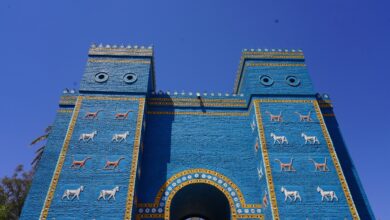
Babylon’s Ishtar Gate
Babylon was once believed to have been founded by the ancient Mesopotamian god, Marduk, and home to the Hanging Gardens of Babylon, one of the prominent Seven Wonders of the Ancient World. Located in the modern day city of Hillah, Iraq, the 4,000 year old city of Babylon is one…
View -
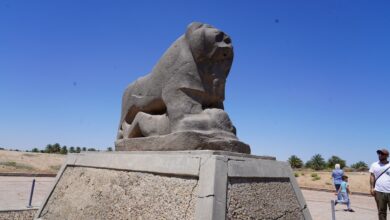
The Lions of Babylon
The Lion of Babylon stands in the ancient city of Babylon (modern-day Hillah, Iraq), as a true testament to the historic Mesopotamian empire. Carved from black basalt, the statue measures around 2 metres in length and rests on a 1-metre-high platform. It depicts a lion standing over a human figure,…
View -
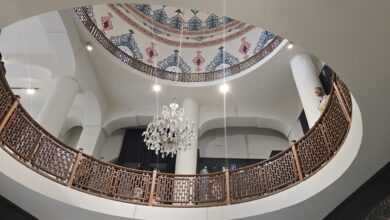
Imam Al-A‘zam Museum: Preserving a Legacy of Knowledge
Nestled within the historic shrine of Imam Abu Hanifa in Al-Adhamiya, Baghdad, the Imam Al-A’zam Museum offers visitors a deeper look at centuries of Islamic history. Officially opened in 2023, the museum is part of a broader initiative led by the Sunni Endowment Office, to revive and celebrate the legacy…
View -
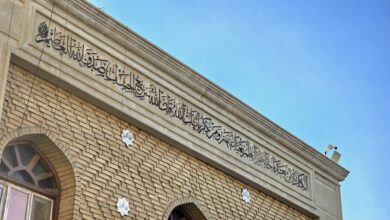
Imam Abu Hanifa’s Shrine in Baghdad
In the Al- Adhamiyah district of Baghdad, Iraq, lies the shrine of Imam Abu Hanifa al- Nu’man. In Iraq it is regarded as a site of religious and historical significance. Imam Abu Hanifa al- Nu’man, who died in Baghdad in 767 AD, was a famous scholar and theologian, whose works…
View -
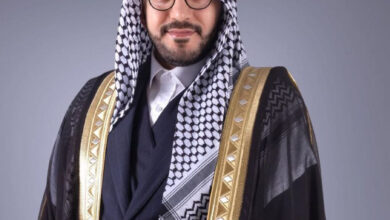
Traditional Iraqi Clothing: Threads of Identity
Iraqi culture is diverse and vibrant, encompassing a wide range of aspects including cuisine, language, traditional clothing, and more. The traditional Iraqi attire is a prominent element of the country’s cultural heritage. Men’s traditional clothing consists of a dishdasha, bisht, and a headscarf and an agal. Also known as a…
View -
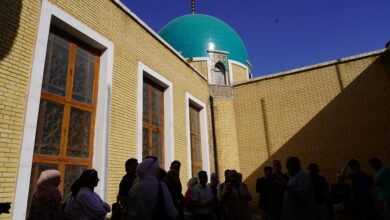
Monarchs of the Past: Iraq’s Royal Cemetery
Between the Al- Safina neighbourhood and the Al- Iraqia University in the Adhamiyah district of Baghdad, lies the Royal Cemetery, also known as the Royal Mausoleum. It is one of Iraq’s most historically and architecturally significant landmarks. Designed by British architect, J. B. Cooper, the cemetery honours the legacy of…
View -
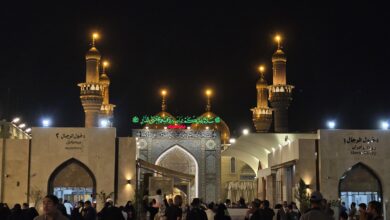
Imam Al-Kadhim Shrine in Iraq
Every year, thousands of visitors from Iraq and internationally gather to pay their respects at the shrine of Imam Musa Al-Kadhim, in the Kadhimiya district. Dating back to the 16th century, the shrine is one of Iraq’s most historically and religiously significant sites. It is known for its golden domes…
View -
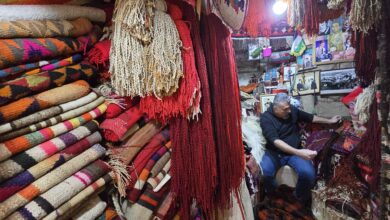
The Art of Iraqi Carpet Making
The art of sejadeh, or carpet weaving in Iraq dates back centuries, to the time of the Assyrian and Babylonian empires. Carpet weaving is a centuries-old tradition across the Middle East and Central Asia, with each country taking influence from the next. In Iraq, some of the most renowned rug-producing…
View